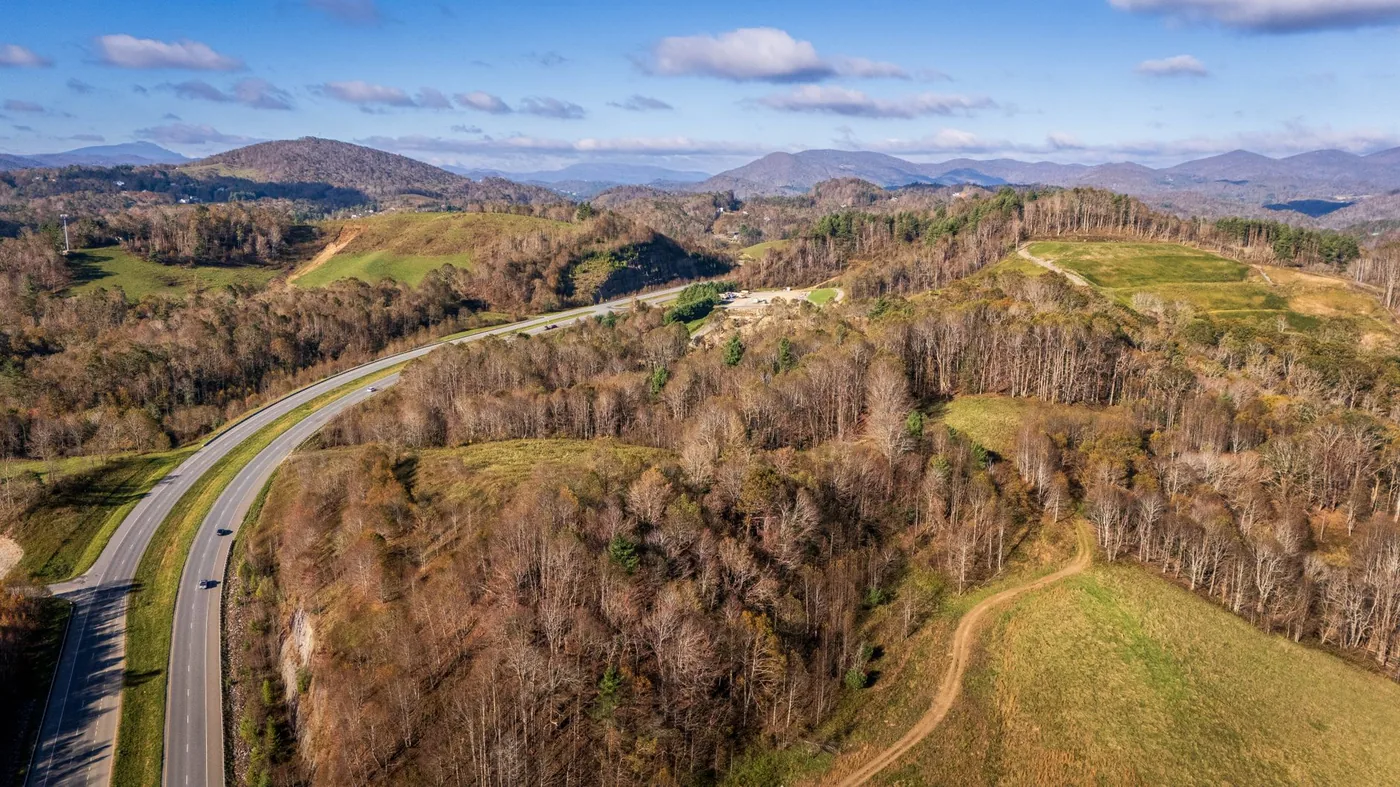
I-81 runs about 855 miles from Dandridge, Tennessee to the Canadian border at Wellesley Island, New York, following the Appalachian valleys through six states. It carries heavy freight and it has some of the strictest rest area rules in the country.
If you are planning an overnight anywhere on this corridor, read the state list before you commit.
The problem states
Tennessee — no overnight truck parking at rest areas. Drivers report being told the limit is two hours, statewide and enforced. If an officer believes you have been parked longer, they can check your log and issue a citation accordingly. This is the southern terminus of I-81, so it affects anyone starting or finishing the route there.
New York — it depends which kind of facility you stop at. Overnight parking is allowed at the state's welcome centers — the staffed facilities with restaurants and shops. At ordinary state rest areas — restrooms and vending only — there is a two-hour limit.
That distinction is not obvious from the road signage, and it is the single most useful thing to know about the northern end of I-81.
State by state, south to north
Tennessee — no overnight at rest areas. Two-hour limit reported and enforced. Use a truck stop.
Virginia — the longest I-81 stretch, roughly 325 miles. Overnight parking generally permitted at rest areas and welcome centers; posted signs govern.
West Virginia — a short section near Martinsburg. Overnight generally permitted.
Maryland — a very short stretch near Hagerstown.
Pennsylvania — two-hour limit. Rest areas are intended for short breaks only; overnight camping is prohibited. Pennsylvania carries a large share of I-81's freight traffic and has correspondingly limited legal overnight options at state facilities.
New York — two hours at rest areas, overnight permitted at welcome centers.
Posted signs at the facility override this or any other guide. State DOT sites are authoritative.
What this means for planning
I-81 is a corridor where the rest area is often not the answer. Between Tennessee's two-hour cap, Pennsylvania's two-hour cap and New York's rest-area cap, a large fraction of the route offers no legal long overnight at a state facility.
The correct plan on I-81 is usually:
- Short breaks — rest areas, anywhere on the route
- Long overnights — truck stops, which are private businesses setting their own rules
- New York overnight — a welcome center, not a rest area
- Virginia overnight — the most workable state stretch on the corridor
The universal rules
Camping is banned at every rest area in every state. No slide-outs, awnings, chairs or outdoor gear. Sleeping inside your vehicle is a separate thing and is permitted where the state allows it.
Truck spaces are for trucks. I-81 is a major freight artery, and the combination of heavy truck volume with restrictive overnight rules already pushes drivers onto shoulders. Cars and RVs taking commercial spaces makes a genuinely dangerous situation worse.
Why the restrictions exist, and the cost of them
Drowsy driving causes roughly 100,000 crashes a year, mostly between midnight and 6 a.m. Short rest-area limits push tired drivers back onto the road, which is the tension at the heart of this corridor: the states with the tightest rules are often the ones with the heaviest freight loads.
There is a related hazard worth naming. Being woken at 3 a.m. by an officer telling you to move on is not just inconvenient — you are then driving while fatigued and disoriented, which is precisely the condition the rest area was meant to prevent.
Knowing the rules in advance is how you avoid that.
Terrain and weather
I-81 follows the Appalachian valleys, which means grades, and in winter it means snow and ice at elevation. The Virginia and Pennsylvania mountain sections see regular winter closures and chain conditions.
A rest area at the base of a grade is a sensible place to wait out a storm — where the state permits it, and where you have checked that it does.
What to expect
Restrooms, vending, picnic areas, pet areas, and separated car and truck parking are standard. New York's welcome centers are the best-equipped facilities on the route and, as noted, the only New York option for an overnight.
Before you leave
On I-81 the binding constraint is legal, not physical. The facility may be open and have space and still not permit what you need.
BoardSpy shows the rest stops, fuel and food actually along your route as you drive it, filtered by genuine detour distance — so when a rest area is not the right stop, you can see what is.
Related planning: restaurants on my route · best time to leave DC to avoid traffic.
Related BoardSpy guides
- Find rest stops along your route
- Where trucks can legally park overnight
- I-75 rest stops Florida to Michigan
Frequently asked questions
Can you overnight at I-81 rest areas in Tennessee?
No. Tennessee does not allow overnight truck parking at rest areas. Drivers report a two-hour limit, enforced, with possible citations. Use a truck stop.
Can you sleep at New York rest areas on I-81?
Only at welcome centers — the staffed facilities with restaurants and shops. Ordinary New York rest areas have a two-hour limit.
What is Pennsylvania’s I-81 rest-area limit?
Two hours. Rest areas are for short breaks; overnight camping is prohibited. Plan long overnights at truck stops.
Which I-81 state is most workable for an overnight?
Virginia’s ~325-mile stretch generally permits overnight parking at rest areas and welcome centers; posted signs still govern.
Why are I-81 rest-area rules a safety issue?
Short limits can put a fatigued driver back on the road after a 3 a.m. knock. Drowsy driving is involved in about 100,000 crashes a year, mostly midnight to 6 a.m.
References
Posted signs and operator timetables override this guide. Drive-time windows are pattern estimates, not measured figures for today.
- NHTSA: Drowsy Driving — NHTSA estimates drowsy driving is involved in about 100,000 crashes a year, concentrated overnight.
- NYSDOT rest areas and welcome centers — New York distinguishes welcome centers (overnight) from ordinary rest areas (~2 hours).
- BoardSpy data sources — How leave-time recommendations use a saved route (limits disclosed).