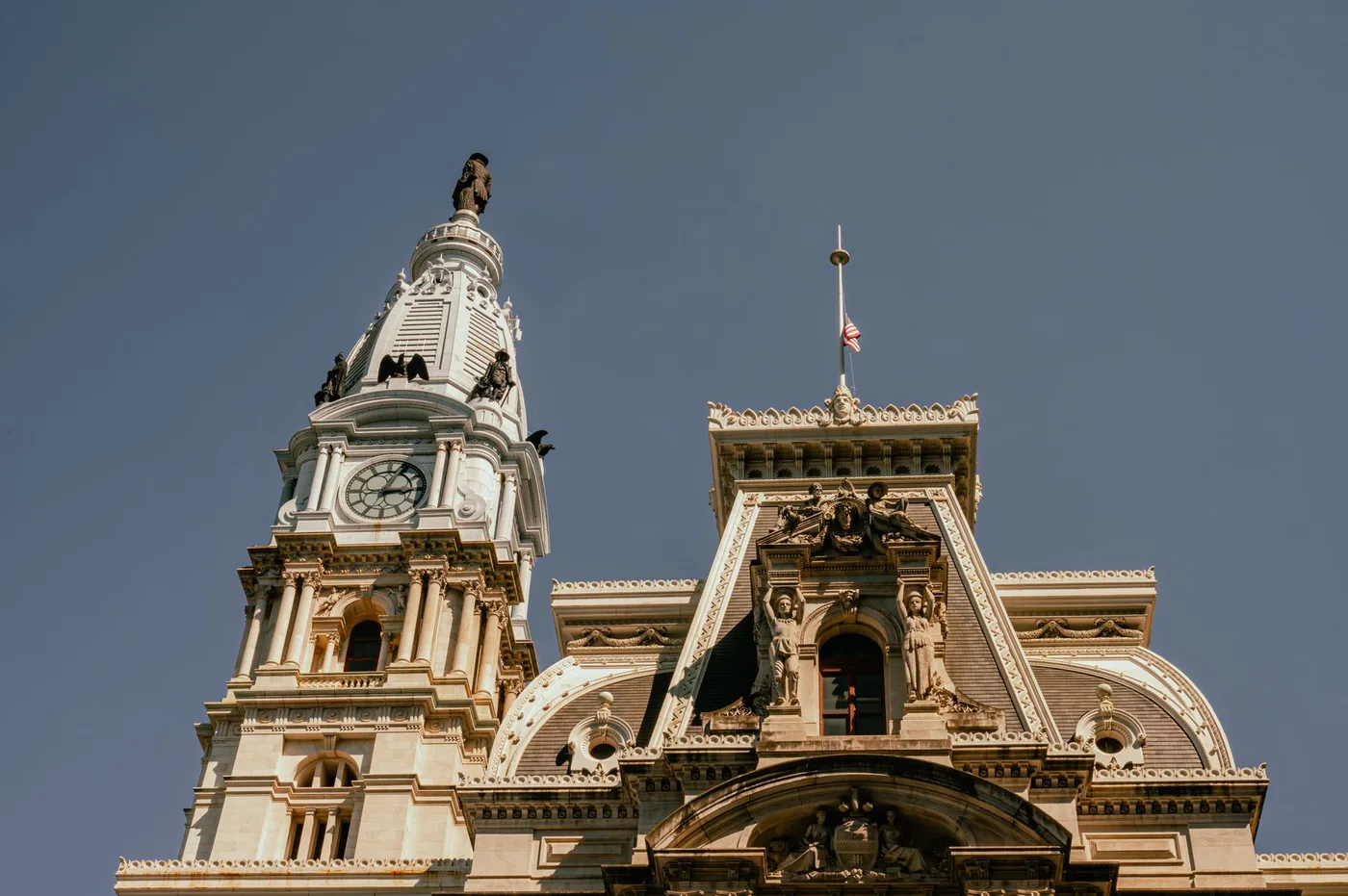
Ninety-five miles and an hour and five minutes by Acela. That makes Philadelphia one of the easiest day trips available from New York — genuinely easier than reaching parts of Long Island.
The whole thing hinges on one decision: which train you take out and which one you take back.
The shape of the day
| Feature | |
|---|---|
| Travel time each way | 1 hr 5 (Acela) to 2 hr 15 (NJ Transit + SEPTA) |
| Realistic time in Philadelphia | 7–9 hours |
| Best departure | 7:00 – 8:30 a.m. |
| Best return | 6:30 – 8:30 p.m. |
A 7:30 a.m. departure and an 8 p.m. return gives you roughly ten hours in the city, which is more than enough for a full day.
Getting there — pick your trade
Amtrak Acela — ~1 hr 5. Fastest, most expensive. Buys you roughly two extra hours in the city compared with the budget option, across the round trip.
Amtrak Northeast Regional — ~1 hr 20. Nearly as fast for meaningfully less. The sensible default for a day trip.
NJ Transit + SEPTA via Trenton — ~2 hr 15, one transfer. Substantially cheaper, no advance booking. Costs you about two hours of your day across the round trip. Worth it if the fare difference matters more than the time.
Bus — ~2 hr to 2 hr 30 and cheapest of all, but it uses the Turnpike, so a bad afternoon can eat into your return.
Driving — the worst option for a day trip. Tolls, Philadelphia parking, and the Hudson crossing twice in one day. Only sensible if you are three or more people.
Corridor overview: Philadelphia to New York City travel guide. Mode comparison: bus, train or drive.
The booking advice that actually matters
Book the return before you go. Amtrak fares rise as trains fill, and the popular evening returns from Philadelphia sell up. Buying a fixed return in advance is both cheaper and one less thing to think about at 7 p.m.
Book Acela out, Regional back is a common and sensible split — you buy the fast trip when it protects your day, and save on the return when arriving thirty minutes later costs you nothing.
Both stations are central, and that is the point
New York Penn Station is in midtown.
Philadelphia 30th Street Station is walkable to Center City and connected to SEPTA for anything further.
Neither end has a long first mile. That is what makes the day trip work — the travel time on the timetable is close to the travel time you actually experience, which is not true of most American intercity journeys.
What the geography gives you
Philadelphia's historic core, museum district and Center City are compact and largely walkable from 30th Street or a short SEPTA ride away. That matters for a day trip: you are not spending your limited hours in transit within the city.
If your interests are spread across the city, SEPTA covers it. If they are concentrated in Center City and Old City, you may not need transit at all.
Timing pitfalls
Do not plan a Friday return after 3 p.m. by bus or car. The Turnpike and the Hudson crossings are at their worst, and a two-hour bus can become three.
Check for events at both ends. A major event in either city affects the trains as well as the roads on a corridor this busy.
Weekend service differs. NJ Transit and SEPTA run reduced weekend timetables. Amtrak runs daily. If you are going on a Sunday, check the budget route's schedule before assuming it works.
Weather
Trains keep running through most of what disrupts the roads on this corridor — winter storms, nor'easters, summer flooding on I-95 in New Jersey.
For a day trip specifically, weather matters less to the journey than to what you do when you arrive. Philadelphia's main draws are largely indoors, which makes it a good bad-weather day trip.
The reverse trip
Philadelphia to New York for the day works exactly as well, with the same timings and the same booking advice.
One difference: arriving into Penn Station puts you in midtown, so the last mile in New York depends heavily on where you are actually going. Budget more for the city leg than you would in Philadelphia.
Before you leave
The corridor is reliable enough that a day trip is genuinely low-risk — provided you are on rails rather than roads.
BoardSpy tells you before you leave what the drive and bus routes actually look like today, so if you were planning to travel by road you know whether your return window is safe.
Frequently asked questions
How long does a day trip from New York to Philadelphia take?
Travel is 1 hour 5 minutes by Acela to 2 hours 15 minutes by NJ Transit plus SEPTA each way. A 7:30 a.m. departure and 8 p.m. return gives you roughly ten hours in the city.
Should I book Acela or Northeast Regional for a day trip?
Northeast Regional (~1 hr 20) is the sensible default. A common split is Acela out and Regional back — buy the fast trip when it protects your day.
Do I need to book the return in advance?
Yes. Book the return before you go. Amtrak fares rise as trains fill, and popular evening returns from Philadelphia sell up.
Is driving a good idea for a Philadelphia day trip from NYC?
Usually no. Tolls, Philadelphia parking, and the Hudson crossing twice in one day make driving the worst option unless you are three or more people.
Does the reverse day trip — Philadelphia to New York — work the same way?
Yes, with the same timings and booking advice. Arriving into Penn Station puts you in midtown, so budget more for the city leg than you would in Philadelphia.
References
Amtrak, NJ Transit and SEPTA timetables override this guide. Booked tickets beat same-day walk-up fares on this corridor.